Mahmoud Ahmadinejad
سپاه پاسداران انقلاب اسلامی
Ships crossing Hormuz need OK from IRGC, unfreezing funds part of deal: Iran
All ships can sail through the Strait of Hormuz but this needs to be coordinated with Iran’s Islamic Revolutionary Guard Corps (IRGC), a senior Iranian official told Reuters, adding that unfreezing Iranian funds was part of the deal.
Hundreds of ships and 20,000 seafarers have remained stranded inside the Gulf waiting to pass through the key waterway, which handles about 20% of the world's oil and liquefied natural gas flows.
The Iranian official said transits would be restricted to lanes that Iran deemed safe, adding that military vessels were still prohibited from crossing the strait.
"Releasing Iran's funds was part of the agreement for reopening the strait," the official noted, referring to an estimated $30 billion in frozen revenue, generated mainly from oil and gas exports, blocked amid U.S. sanctions on Tehran.
It was not immediately clear if this included or excluded the established Traffic Separation Scheme (TSS) lanes for entering and exiting the Gulf used by international shipping since the 1970s.
"Even U.S. vessels would be permitted, excluding military ships," he said.
The official added that certain routes through Hormuz would remain open, but added that those would need to be determined as secure by Iran.
"Navigation would take place in coordination with Iran, and with authorisation from the Guards and Iran’s Ports and Maritime Organization to ensure the safety of shipping," the official said.
Shortly after Araqchi's statement, Trump posted on Truth Social: "IRAN HAS JUST ANNOUNCED THAT THE STRAIT OF IRAN IS FULLY OPEN AND READY FOR PASSAGE".
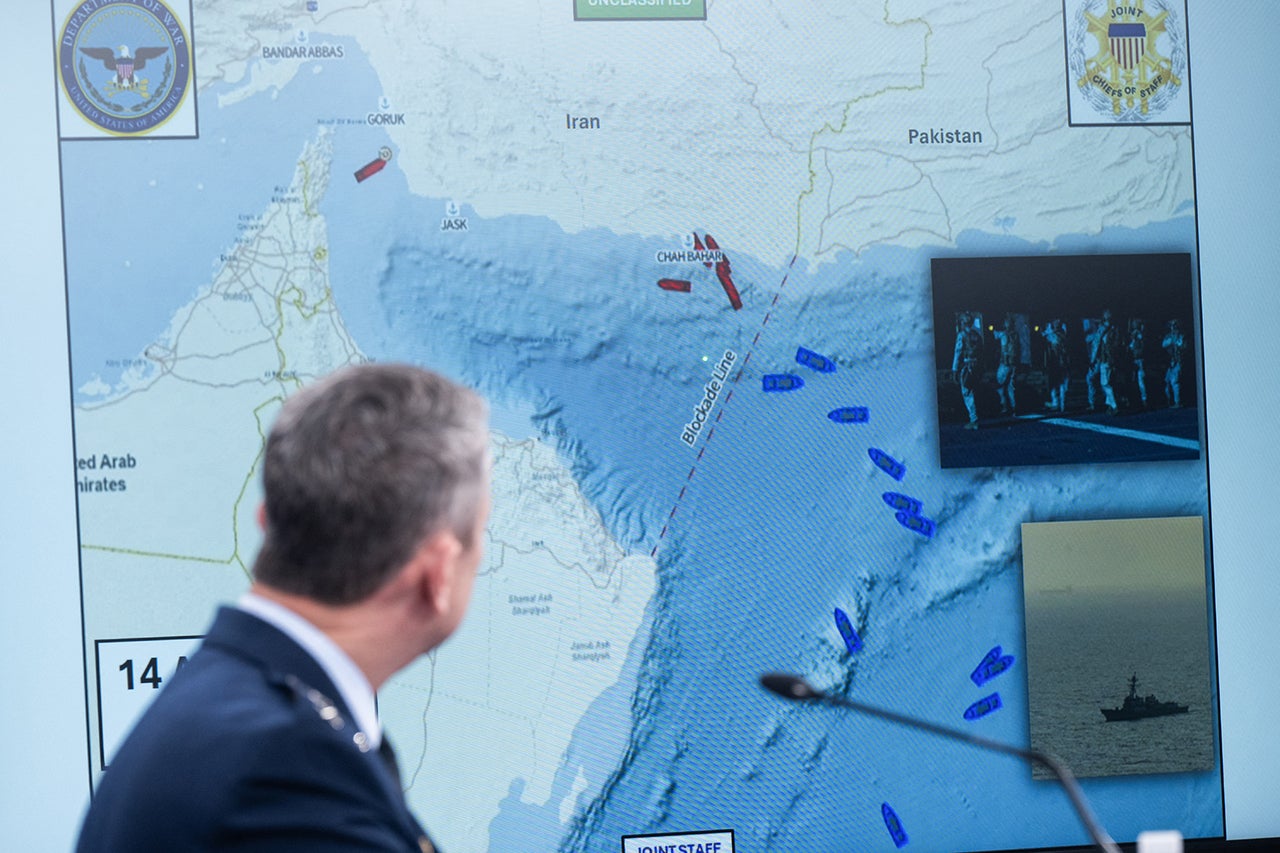
Iranian state media said if the U.S. blockade persists, Tehran will consider it a violation of the ceasefire and will close the strait.
Iran could let ships sail freely through the Omani side of the strait without risk of attack under proposals Tehran has offered in talks with the U.S., providing a deal is clinched.
Iran has warned of mines placed in the strait, a threat taken seriously by ship owners, insurance underwriters, and firms sending cargo.
That threat is not fully understood and avoidance of the area by ships should be considered, a U.S. Navy advisory said on Friday. "Status of TSS mine threat is not fully understood. Consider avoidance of that area," the US Navy’s U.S. NCAGS agency said.
Shipping industry associations said they were reviewing the situation.
"The announcement ... by U.S. President Donald Trump that the Strait of Hormuz is fully open is inaccurate. The status of mine threats in the Traffic Separation Scheme is unclear," said Jakob Larsen, chief safety and security officer with shipping association BIMCO.
"BIMCO believes shipping companies should consider avoiding the area".
The UN's shipping agency, the International Maritime Organization (IMO), said it was reviewing the situation.
"We are currently verifying the recent announcement related to the reopening of the Strait of Hormuz, in terms of its compliance with freedom of navigation for all merchant vessels and secure passage," said IMO Secretary-General Arsenio Dominguez.